What Clients Notice First: 7 Cleaning Details That Make or Break Your Office Image

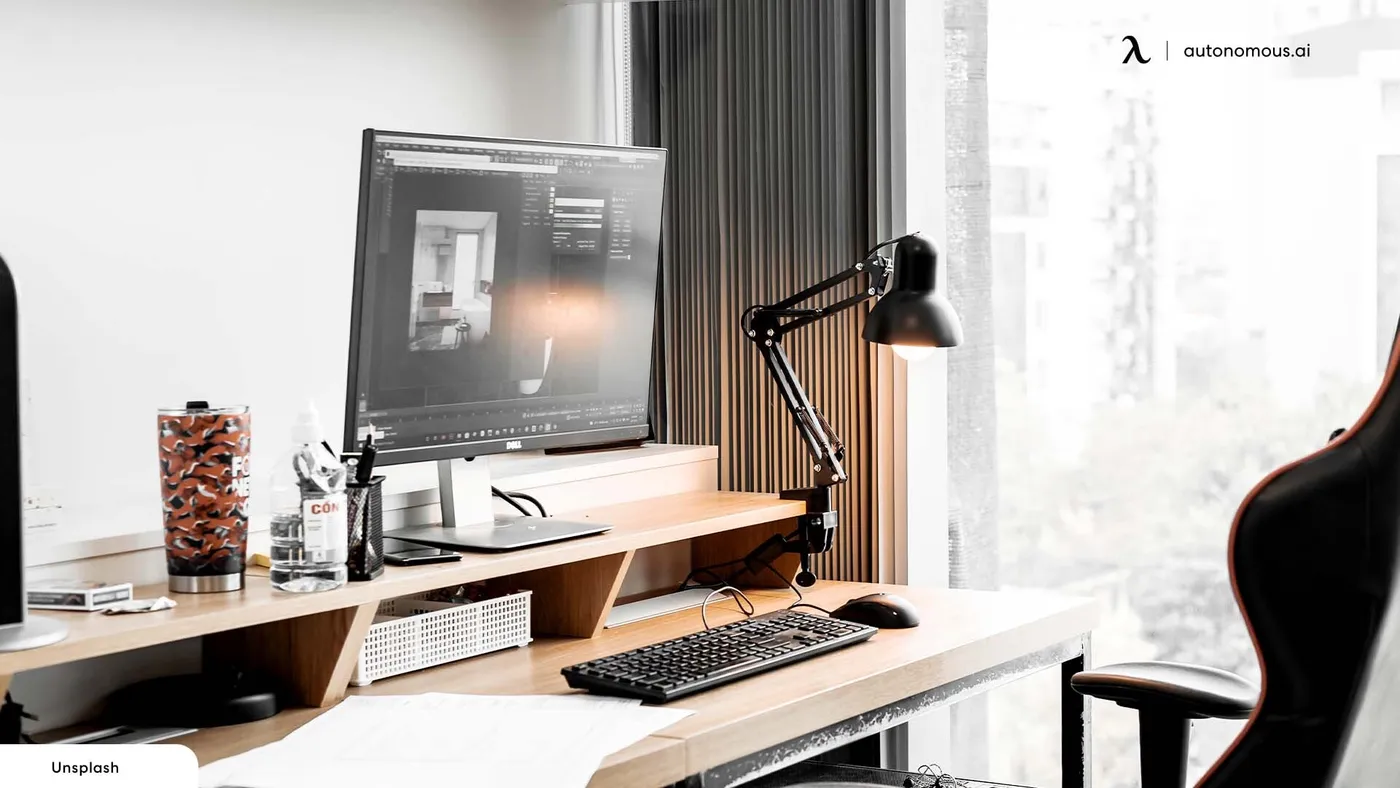
First impressions matter—especially in business. When clients walk into your workplace, they form an opinion about your brand within seconds. And surprisingly, it’s often the smallest cleaning details that shape that judgement. That’s why investing in a high-quality office cleaning service is no longer optional; it’s a key part of professional reputation management.

Here are seven cleaning details clients notice immediately, and how the right approach to office cleaning can elevate your company’s image.


1. Smell: The Silent First Impression

Before clients even look around, they smell the environment. Stale air, food odours, or dampness can signal poor hygiene.
Australian businesses now rely on professional office cleaning services that include deodorising, ventilation checks, and regular bin rotation—ensuring the workspace feels clean the moment someone enters.


2. Reception Desks and Waiting Areas

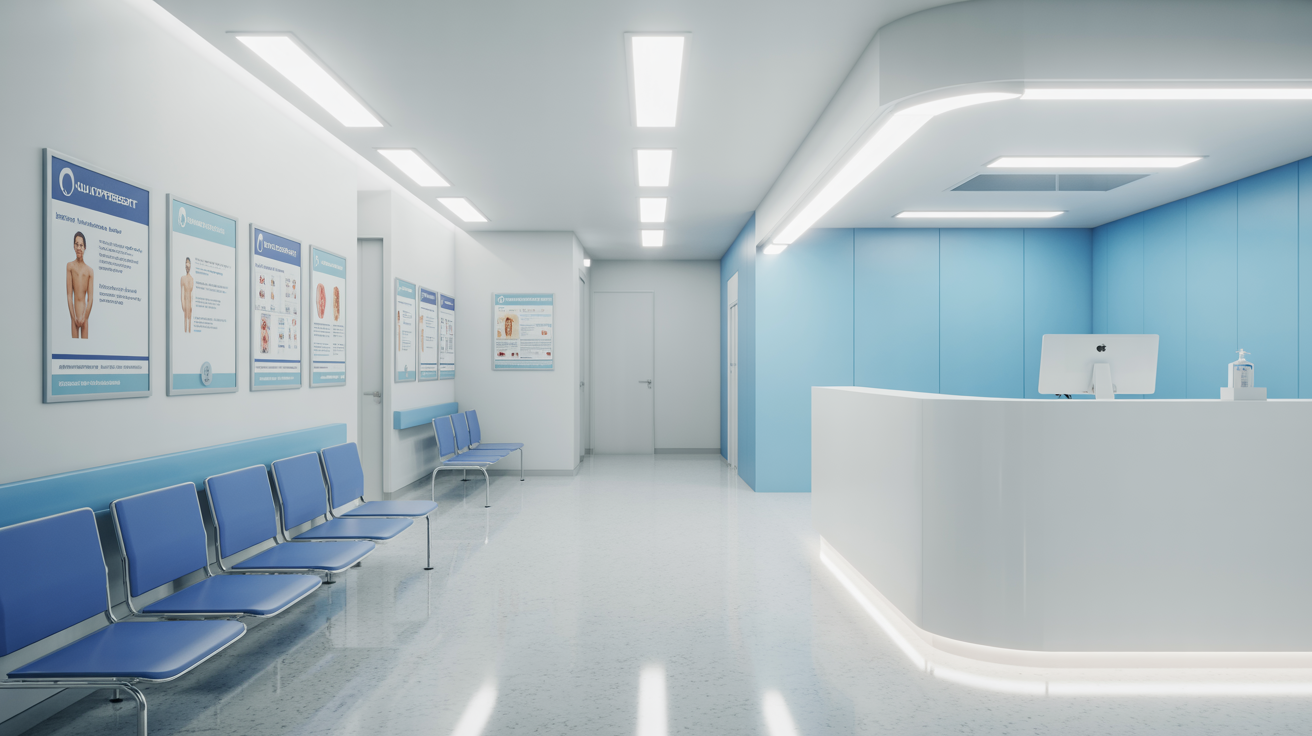
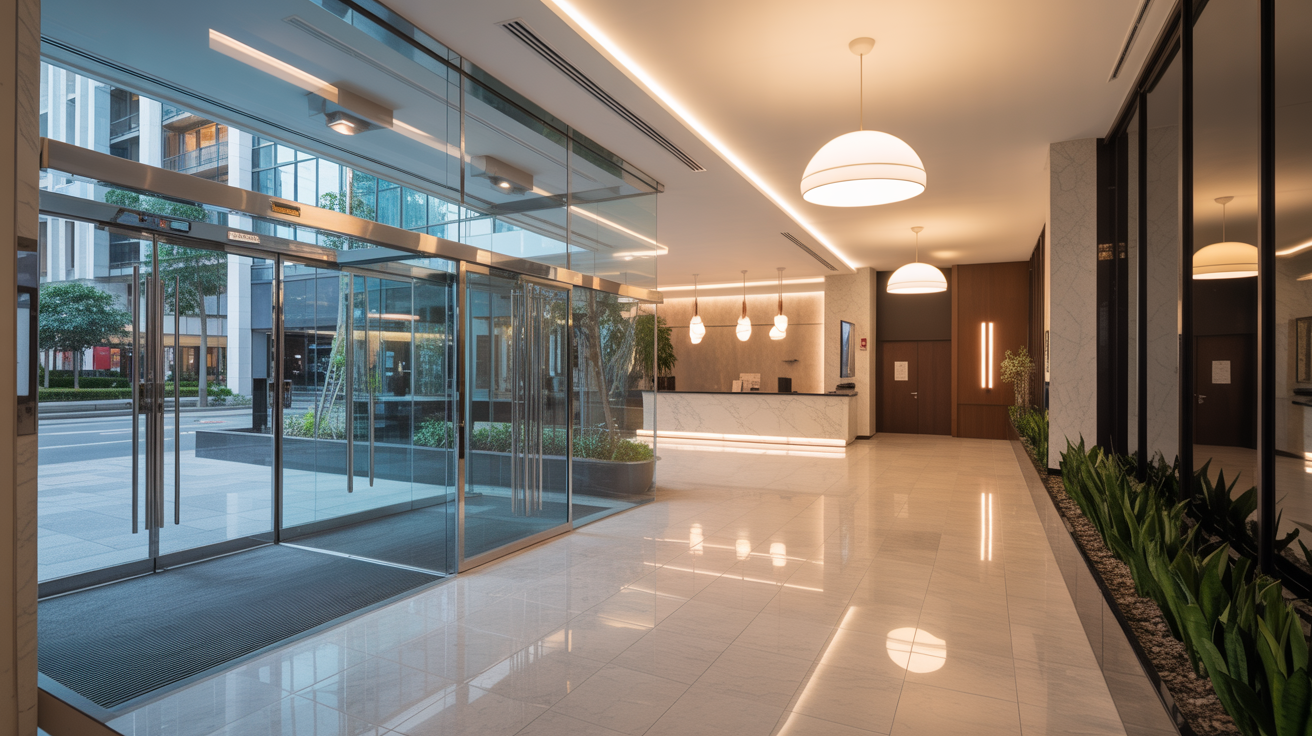
These are your brand’s front line. Dusty furniture, fingerprinted glass, or cluttered magazines reflect a lack of care.
The best office cleaning services prioritise reception areas with daily dusting, sanitising of high-touch points, and spotless presentation because they directly influence client trust.


3. Floors That Speak Volumes

Whether it’s carpet, vinyl, tiles, or hardwood, floors showcase how well an office is maintained. Clients notice:

  • Stains on carpets
  • Dirt along skirting boards
  • Scuff marks in hallways
  • Sticky kitchen flooring

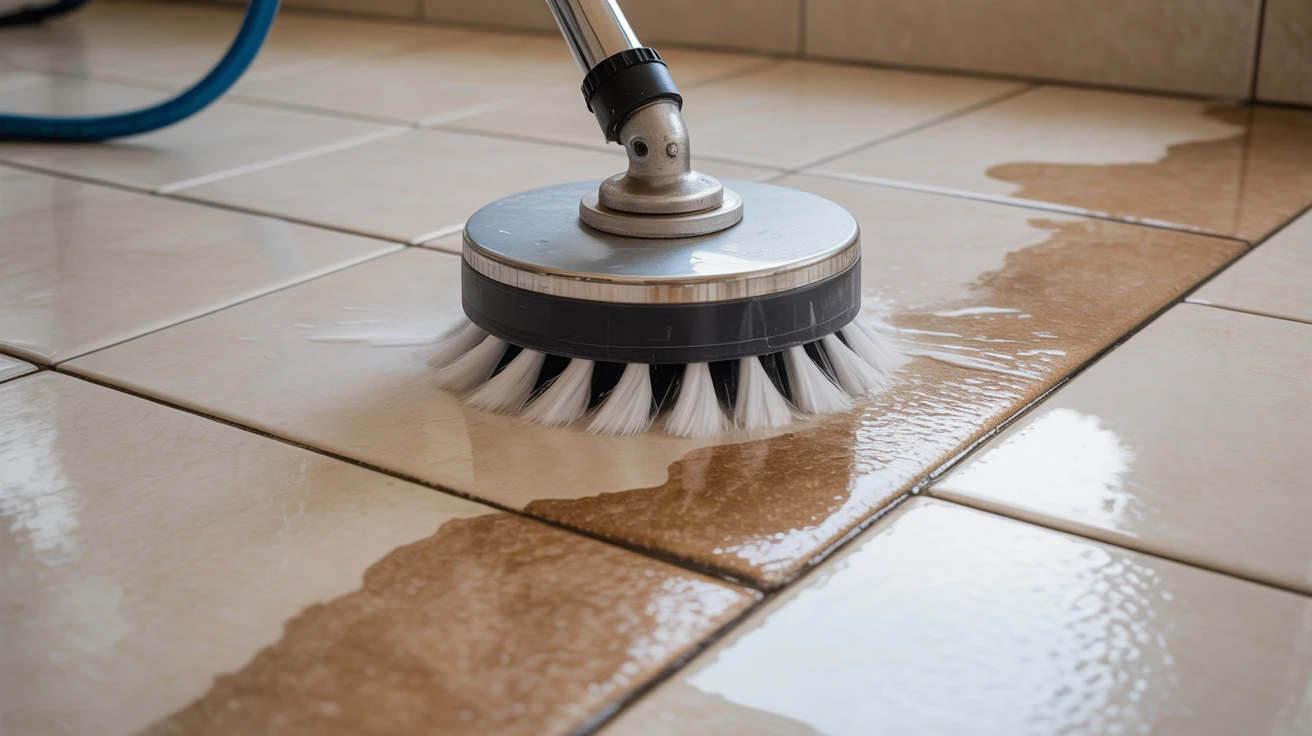
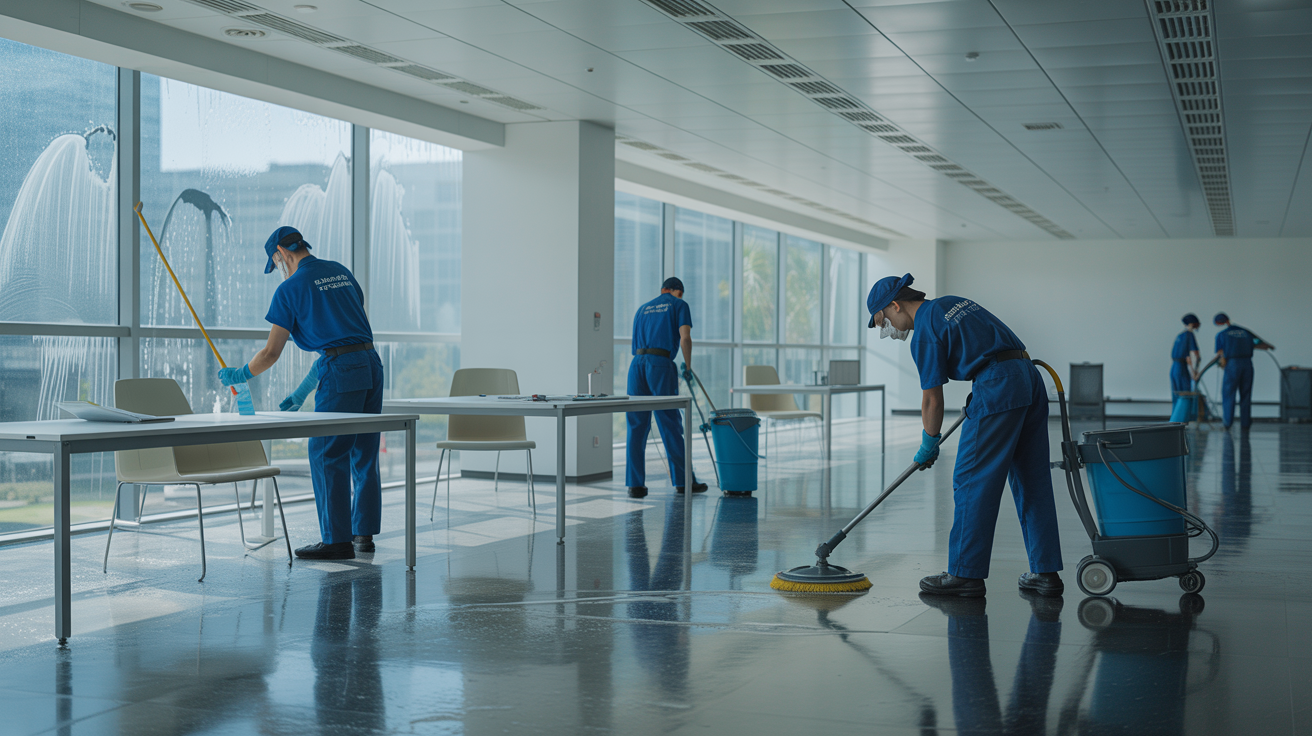
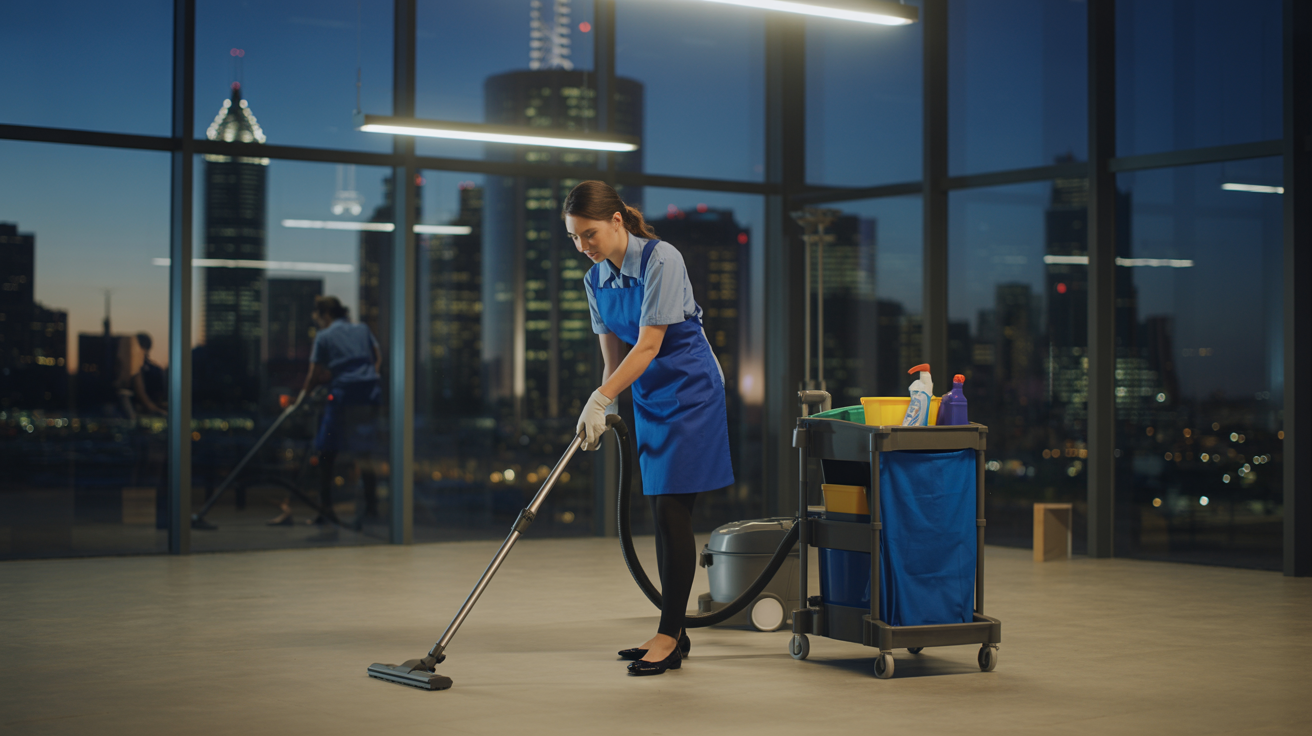
Regular vacuuming, machine scrubbing and periodic deep cleaning—key components of professional office cleaning ,keep floors looking immaculate and safe.


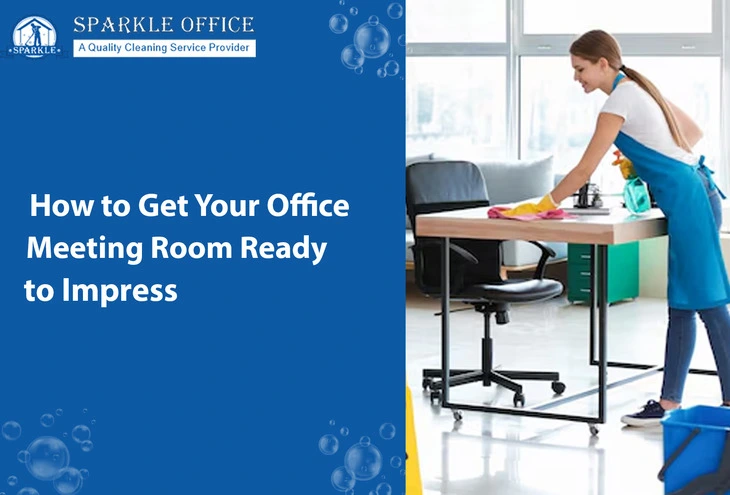
4. Meeting Rooms: Where Deals Happen

A spotless meeting room sends a message of competence. Clients often spot:

  • Dust on TV screens
  • Smudged tables
  • Crumbs from previous meetings
  • Fingerprints on presentation equipment

A reliable office cleaning service ensures meeting rooms are cleaned between uses or at least daily, keeping them ready for presentations and negotiations.


5. Restrooms: The True Measure of Cleanliness

Studies show that visitors judge an organisation’s hygiene based on its restrooms.
Australian businesses know this well—which is why modern professional office cleaning services focus on:

  • Sanitised toilets and basins
  • Fresh consumables
  • Clean floors and cubicles
  • Odour control
  • Regular touchpoint disinfection

A clean restroom signals care, quality, and responsibility.


6. Kitchen and Breakout Areas

Dirty microwaves, overflowing bins, or sticky benchtops always get noticed.
To maintain hygiene and safety, the best office cleaning services include:

  • Appliance cleaning
  • Benchtop sanitisation
  • Coffee machine wipe-downs
  • Floor cleaning to remove spills
  • Fridge checks for expired items

These areas reflect internal culture—and clients pick up on it.


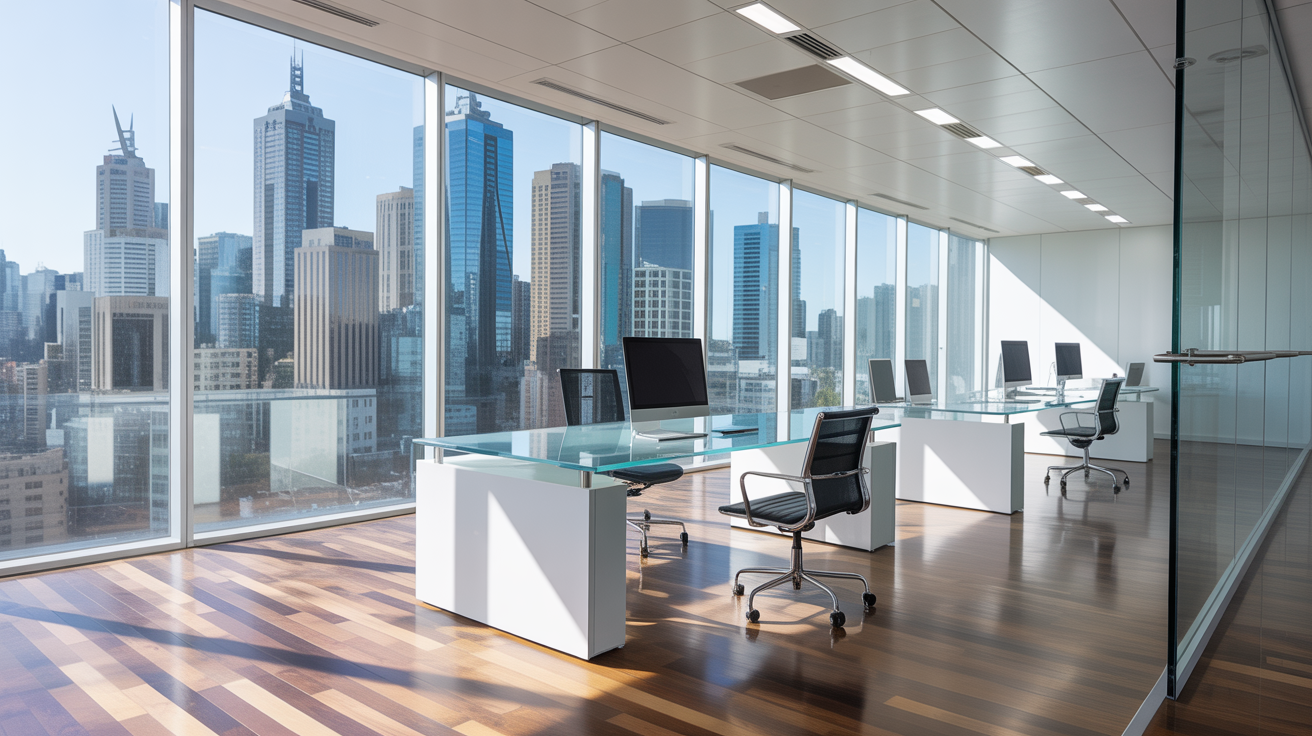
7. Glass, Windows, and Partitions

Smudges, dust, and fingerprints are immediately visible under Australian sunlight. Clean windows make spaces feel brighter, more open, and more professional.

High-quality office cleaning involves scheduled interior and exterior window cleaning, ensuring your workplace maintains a polished, corporate image.


Why These Details Matter

Clients equate cleanliness with capability. A clean office shows:

  • You care about health and hygiene
  • You have strong internal management
  • You value professionalism
  • You maintain high operational standards

Partnering with a reputable office cleaning service ensures every detail—big or small—reflects positively on your brand. When these elements are maintained consistently, your workplace instantly gains credibility and enhances client confidence.

The post-pandemic workplace has transformed dramatically—and so has the way businesses approach office cleaning. With hybrid work now firmly established across Australia, companies are rethinking how they maintain productivity, hygiene, and employee wellbeing. The shift has given rise to a new standard: Hybrid Clean, a flexible and data-driven cleaning model designed for modern offices.


The New Normal: Offices Used Differently, Cleaned Differently

When Australian businesses adopted hybrid work, office occupancy patterns changed overnight. A study by the Property Council of Australia shows office attendance across major cities still sits between 50–70% depending on the day of the week. This fluctuation means traditional, fixed-schedule cleaning no longer meets workplace needs.

Today, businesses require professional office cleaning services that can scale up or down based on daily or weekly usage. Cleaners now monitor busy areas, adjust service frequency, and focus on high-risk touchpoints to match the new rhythm of hybrid operations.


From Routine Cleaning to Risk-Based, Real-Time Hygiene

The pandemic accelerated demand for professional office cleaning that prioritises infection control. Instead of simple nightly surface cleans, companies now expect:

  • Electrostatic disinfectionfor killing airborne and surface pathogens
  • ATP testingto measure real-time cleanliness levels
  • Touchpoint sanitisationfor door handles, boardrooms, lifts, and shared tech

Eco-friendly products in response to Australia’s strong sustainability push

Many of the best office cleaning services in Australia have invested in hospital-grade disinfectants, green chemicals, and updated protocols to meet these stricter hygiene expectations.


Hybrid Work = Smarter, Technology-Enabled Cleaning

Smart technology is rapidly shaping the future of office cleaning service delivery. Modern commercial cleaning companies increasingly rely on:

  • IoT-enabled dispensersto track soap and sanitiser levels
  • Digital check-in systemsthat verify when and where cleaners worked
  • Sensor-based room occupancy datato determine cleaning priorities
  • Automated floor scrubbers and robotic vacuumsfor efficiency

With hybrid work reducing predictable routines, technology ensures cleaning isn’t guesswork—it’s targeted, validated, and transparent. This shift also gives businesses better reporting and compliance documentation.


Wellbeing and Employee Confidence: A Key Driver

Australian employees returning to the office want one thing above all: visible cleanliness. Regular sanitisation, daily restroom cleaning, and tidy shared spaces boost morale and help organisations maintain safe, welcoming work environments.

Surveys from Safe Work Australia indicate that employees feel more confident working onsite when businesses use professional office cleaning services that demonstrate active hygiene management. For employers, clean workplaces now play a direct role in reducing sick leave and supporting productivity.


Sustainability in the Spotlight

As more companies commit to ESG goals, sustainability has become central to office hygiene. Many Australian cleaning providers now use:

  • Biodegradable chemicals
  • Reusable microfibre systems
  • Water-saving equipment
  • Waste-segregation and recycling programs

This eco-conscious shift allows businesses to maintain high hygiene standards while meeting environmental commitments.


The Future: Flexible, Evidence-Based Office Cleaning

Hybrid work is here to stay, and so is the demand for adaptive, high-quality cleaning. The evolution of office cleaning service models—from rigid schedules to flexible, needs-based solutions—reflects how workplaces have matured since the pandemic.

Today’s leading providers offer more than cleaning—they deliver hygiene management, risk reduction, sustainability, and peace of mind. In this new era, the best office cleaning services will be those that continue to innovate and support businesses through changing workplace trends.

As Australian workplaces evolve, so do expectations around cleanliness, hygiene and workplace presentation. Offices across Sydney, Melbourne, Brisbane, Perth and Adelaide are embracing hybrid work, digital tools and sustainability — and these shifts have directly shaped how cleaning is delivered. In 2026, the standard office cleaning service looks very different from what it did even three years ago.

Here are the key trends modern workplaces expect this year.


1. Smart & Data-Driven Cleaning Takes Centre Stage

One of the biggest 2026 shifts is the adoption of technology to improve office cleaning efficiency.

Australian offices are increasingly using:

  • Occupancy sensors to track usage in meeting rooms and hot-desking zones
  • QR-based cleaning verification logs
  • Apps for reporting spills or urgent cleaning needs
  • AI-driven scheduling to deploy cleaners only where required

This approach reduces unnecessary labour, cuts costs and ensures that professional office cleaning services are aligned with real-time workplace activity — a major win for hybrid environments.


2. Health-Focused Cleaning Remains Non-Negotiable

Even though the pandemic is behind us, expectations around hygiene remain at an all-time high.

In 2026, Australian businesses prioritise:

  • Frequent cleaning of high-touch points (lifts, handles, desks, screens)
  • HEPA-grade vacuuming for better indoor air quality
  • Regular sanitisation of shared workstations
  • Fresh-smelling, well-ventilated common areas

Employees expect visible cleanliness as a sign of care and responsibility. As a result, professional office cleaning standards now focus as much on health as on appearance.


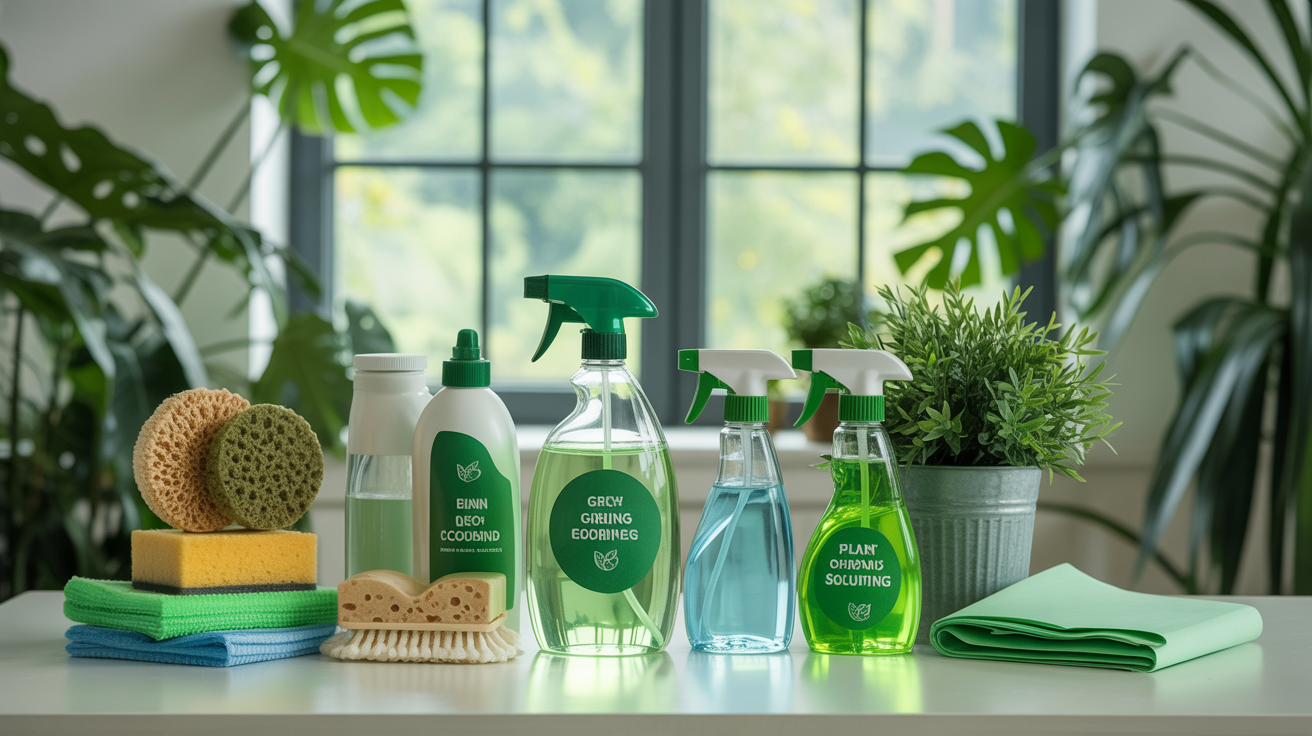
3. Eco-Friendly Cleaning Is Now a Core Requirement

Sustainability has become a critical decision factor when selecting the best office cleaning services.

Australian workplaces now prefer providers who use:

  • Biodegradable, low-VOC cleaning products
  • Reusable microfibre cloths
  • Energy-efficient equipment
  • Waste-minimising cleaning systems

Many offices are including eco-cleaning benchmarks in their procurement policies. Green cleaning is no longer a premium service — it’s becoming the expected baseline.


4. Flexible, Hybrid-Friendly Cleaning Schedules

Hybrid work has completely reshaped how offices operate. Because occupancy fluctuates through the week, cleaning schedules need to be adaptable.

This year’s most sought-after approaches include:

  • Cleaning only on high-occupancy days
  • Rotational deep-cleaning for open-plan areas
  • On-demand cleaning triggered by usage data
  • After-hours or early-morning scheduling to avoid disruption

Australian companies want professional office cleaning services that can expand or scale down without compromising quality.


5. High-Visibility Cleaning Builds Workplace Trust

In 2026, it’s become common for cleaners to work while staff are present — especially in kitchens, shared zones and restrooms. This “visible cleaning” model reassures employees that hygiene is ongoing throughout the day, not just an overnight task.

It also helps maintain the polished, ready-for-visitors look that clients expect from modern Australian offices.


6. Asset Protection Through Detailed Cleaning

Workplaces are investing heavily in ergonomic chairs, acoustic furniture, high-end carpets and digital meeting systems. To protect these assets, offices expect cleaning teams to follow manufacturer-safe methods.

This includes:

  • Upholstery-safe treatments
  • Carpet-preserving cleaning cycles
  • Screen-safe microfibre wiping
  • Stain-prevention protocols in breakout zones

This level of care separates generic cleaners from truly professional office cleaning providers.


7. Value-Driven, Not Just Budget-Driven Cleaning Contracts

With economic pressures still present in 2026, businesses want cost efficiency — but not at the expense of hygiene or professionalism.

Many workplaces now select office cleaning service providers based on value:

  • Transparent pricing
  • Proven consistency
  • Skilled cleaning teams
  • Tech-enabled communication
  • Flexible, scalable plans

Affordable doesn’t mean basic — it means smart, efficient and results-driven.

The 2026 office cleaning landscape in Australia prioritises health, sustainability, flexibility and technology-backed efficiency. Modern workplaces expect more than just tidy desks — they want strategic cleaning that supports productivity, safety and employee wellbeing. The organisations that invest in professional office cleaning services are the ones best positioned to meet the expectations of both staff and clients.

In Australia’s corporate, retail and industrial environments, indoor air quality is emerging as a major workplace concern. With employees spending nearly 90% of their time indoors, according to the Australian Department of Climate Change, Energy, the Environment and Water, businesses are increasingly recognising that good air quality is not just about ventilation systems—it’s deeply connected to how well the space is cleaned.

Surprisingly, the quality of cleaning can influence indoor air pollution as much as HVAC systems or building materials. This is why professional commercial cleaning is no longer viewed as a simple maintenance task but a vital part of workplace health management.


Dust, Allergens and Micro-Particles: The Hidden Threat

Most Australian commercial buildings—especially in cities like Sydney, Melbourne and Brisbane—face constant dust accumulation due to construction activity, traffic pollution and seasonal changes. When carpets, vents, high-touch surfaces and upholstery aren’t cleaned regularly, they become reservoirs for:

  • Dust mites
  • Pollen
  • Pet dander brought in on clothing
  • Mould spores
  • Fabric fibres
  • Skin flakes

Every time someone walks across a carpet or closes a door, these particles are released back into the air. Over time, this significantly reduces indoor air quality and can lead to respiratory irritation, headaches and reduced concentration—directly impacting workplace productivity.

This is where commercial cleaning services play a crucial role by removing these pollutants at the source before they circulate through the building.


Cleaning and HVAC Efficiency Go Hand-in-Hand

Air-conditioning units are essential in Australian commercial spaces, but they easily accumulate dust and mould if the surrounding environment is not regularly cleaned. Dirty floors, vents and surfaces mean more contaminants enter the HVAC system.

Regular and professional commercial cleaning helps:

  • Reduce the load on air filters
  • Minimise mould growth
  • Lower energy consumption
  • Improve overall airflow

Many HVAC technicians in Australia recommend frequent cleaning of vents and common areas as a preventive measure to maintain system efficiency and prolong equipment life.


The Role of Green Cleaning in Better Air Quality

Using harsh chemical cleaners can actually worsen indoor air quality. Volatile Organic Compounds (VOCs) emitted by certain products have been linked to headaches, nausea and poor breathing comfort.
The best commercial cleaning services now use:

  • Low-VOC products
  • Microfibre cloths
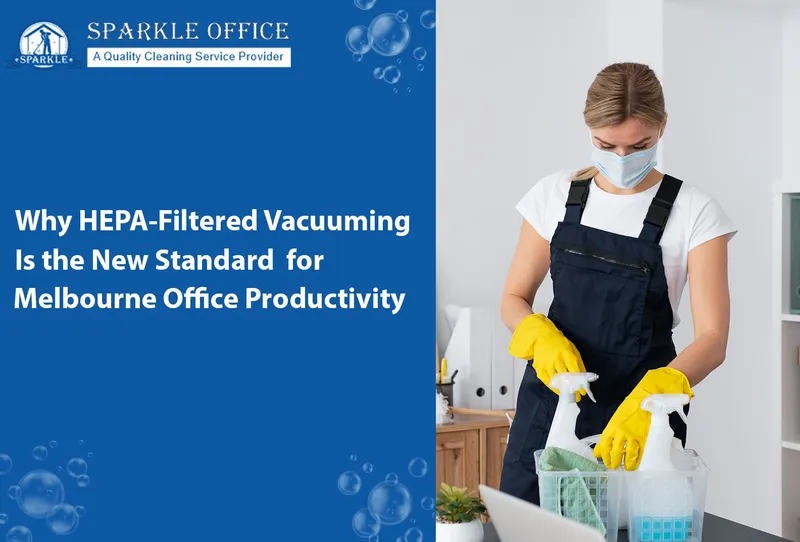
  • HEPA-filter vacuums
  • Eco-certified cleaning solutions

These ensure a spotless workplace without polluting the indoor environment.

It’s a major reason many Australian offices, hospitals and retail chains now prefer the professional experience commercial cleaning service providers who specialise in green cleaning methods.


Daily Cleaning: A Cost-Effective Air Quality Strategy

Business owners often worry about cost, but daily or routine cleaning schedules are surprisingly accessible.

Modern, affordable commercial cleaning services offer custom packages based on:

  • Business size
  • Foot traffic
  • Industry type
  • Specific air-quality needs (like mould-prone or carpet-heavy spaces)

Compared to the productivity losses associated with poor air quality, regular cleaning is one of the most budget-friendly solutions available to Australian businesses.

Air quality issues in commercial spaces aren’t just caused by pollution or ventilation problems—they’re rooted in everyday dust, dirt and allergens that accumulate when cleaning is inconsistent or inadequate. By working with professional commercial cleaning providers, businesses can significantly improve workplace well-being, reduce sick days and create healthier, more productive environments.


Co-working hubs in major Australian cities like Sydney, Melbourne, Brisbane and Perth often see hundreds of visitors each day. Desks, meeting rooms, pantries, washrooms and collaborative lounges are shared by people from different companies and backgrounds.

This makes them significantly more prone to:

  • Germ transmission
  • Spillages and clutter
  • Dust accumulation
  • Rapidly dirty washrooms
  • Stained carpets or high-touch surfaces

Daily commercial cleaning services ensure that high-use zones are sanitised before the next business day begins, lowering health risks and improving user experience.

Clean Spaces Improve Productivity and Member Satisfaction

Australian coworking users increasingly prioritise hygiene, especially post-COVID. Clean work environments result in:

  • Better concentration
  • Higher morale
  • Professional appearance for client meetings
  • Reduced sick days

Many coworking operators report improved retention and member satisfaction when routine cleaning is implemented. A clean workspace feels more premium and safe—making it easier to justify membership fees.

Daily Cleaning Protects Expensive Shared Assets

Most modern coworking spaces invest heavily in:

  • High-end workstations
  • Upholstered chairs
  • Carpeting
  • Breakout-zone furniture
  • Digital equipment such as monitors, pods and booking kiosks
  • Without regular care, these assets deteriorate quickly.

Professional commercial cleaning helps extend the lifespan of these investments by ensuring stains, debris and dust don’t accumulate to damaging levels.

Compliance and Hygiene Expectations in the Australian Market

Safe Work Australia guidelines emphasise maintaining clean workplaces, especially shared environments. While not legally mandatory for coworking hubs, adherence helps operators:

  • Reduce liability
  • Maintain better indoor air quality
  • Meet member expectations for safe shared workspaces

Daily cleaning demonstrates operational responsibility—something businesses appreciate when choosing a coworking partner.

Why Daily Cleaning Is Affordable and Practical

Many operators assume daily cleaning is expensive, but affordable commercial cleaning services in Australia offer flexible packages based on:

  • Space size
  • Traffic volume
  • Cleaning frequency
  • Day vs. night cleaning
  • Optional deep-clean add-ons

Because co-working spaces generate predictable cleaning needs, daily service plans often become more cost-effective than sporadic or reactive cleaning.

Choosing the Right Cleaning Partner

To get the most value, co-working operators should look for:

The professional experience commercial cleaning service providers

  • Trained staff familiar with shared office environments
  • Eco-friendly cleaning products (increasingly preferred in Australia)
  • Transparent pricing
  • After-hours or early-morning availability
  • Experience with high-traffic commercial venues

The best commercial cleaning services don’t just clean ,they help co-working operators create a consistent, premium experience for their members.

Given the high traffic, shared amenities and modern user expectations, daily cleaning is more than ideal—it’s essential for co-working spaces across Australia. With the right cleaning partner, operators can maintain a spotless, healthy, productive environment while protecting long-term assets and improving customer satisfaction.

Tiles are a popular choice in Australian homes and commercial spaces for their durability, low maintenance, and aesthetic appeal. But over time, many property owners notice an unsightly yellowish tone forming on what was once a pristine surface. Whether in bathrooms, kitchens, or high-traffic floors, this yellowing can be frustrating — and understanding its cause is the first step to restoring that fresh, clean look.

So, what really causes this discolouration? In most cases, it comes down to three main culprits: dirt buildup, trapped moisture, or chemical reactions.

1. Dirt and Grime Buildup

In many Australian households, particularly in humid regions like Queensland or coastal NSW, tiles tend to accumulate grime from daily use. Oils, soap scum, and fine dust settle into the tile’s surface or grout lines, giving them a dull or yellowed appearance. In kitchens, cooking grease and food splatter add another layer of residue that ordinary mopping may not remove.

Solution:
Regular cleaning using pH-neutral tile cleaners or mild detergent can help prevent discolouration. Professional tile and grout cleaning services often use steam cleaning or high-pressure extraction methods that lift embedded dirt without damaging the surface — an ideal option for busy commercial or residential spaces.

2. Moisture and Mould Growth

Moisture is another major cause of yellowing, particularly in bathrooms or areas with poor ventilation. When water seeps into grout or beneath tiles, it can trap organic matter and encourage mould or mildew growth, leading to yellow, brown, or even greenish stains. Australian homes with older tile installations or insufficient waterproofing are especially prone to this issue.

Solution:
Improving ventilation, sealing grout lines, and using anti-mould cleaning products can significantly reduce the risk. For severe cases, professional cleaners can perform deep extraction cleaning or regrouting to restore both hygiene and appearance.

3. Chemical Reactions and Cleaning Product Residue

Not all yellow stains are caused by dirt or moisture — sometimes, they’re chemical. Harsh cleaners, bleach, or acidic solutions can react with certain tile materials, sealants, or even the minerals in water, leaving behind a yellowish tint. This is particularly common with light-coloured tiles or polished marble, which are sensitive to strong chemicals.

Solution:
Always read product labels before using cleaning agents. Stick to manufacturer-approved solutions for your tile type, or consult professional cleaning services that understand surface chemistry. In Australia, many eco-friendly cleaning providers now use biodegradable, non-reactive formulas designed specifically for tile care.

4. Preventing Future Yellowing

To maintain spotless tiles year-round:

  • Mop regularly with warm water and neutral cleaner.
  • Wipe spills immediately to avoid stains.
  • Reseal grout every 6–12 months.
  • Use mats in high-traffic or moisture-prone areas.

A yellowish tone on tiles isn’t always a sign of neglect — it’s often a natural result of environmental factors and cleaning habits. By identifying whether it’s dirt, moisture, or a chemical reaction, you can choose the right solution and prevent further damage. For long-lasting results, engaging professional cleaning services ensures your tiles stay as vibrant and spotless as the day they were laid.

In Australia’s fast-growing cleaning industry, skills, tools, and efficiency are often the first things people think about when evaluating service quality. But there’s another factor that quietly defines professionalism — politeness. Whether it’s a team providing commercial cleaning for offices in Melbourne or residential cleaning for family homes in Sydney, respectful behaviour plays a critical role in building trust, ensuring safety, and improving overall satisfaction for both clients and staff.

1. Politeness Builds Professional Trust

When cleaners approach their work with courtesy — greeting clients warmly, communicating clearly, and respecting privacy — it immediately establishes professionalism. Clients are far more likely to trust and retain cleaning companies that value respectful interaction as much as cleaning quality. In the Australian service market, where reputation drives repeat business, this trust is essential. Many successful cleaning services attribute their client retention not only to their skill but to their polite, reliable workforce.

2. Respect Enhances Team Morale and Efficiency

Politeness isn’t just client-facing — it starts within the team. Respectful communication among cleaners, supervisors, and management fosters collaboration and pride in the job. A courteous work culture reduces conflict, improves morale, and helps ensure tasks are completed efficiently. According to insights from the Building Service Contractors Association of Australia (BSCAA), cleaning companies that prioritise respectful training and positive communication see fewer staff turnovers and higher performance consistency.

3. Client Comfort and Privacy Matter

Cleaners often work in private or sensitive environments — offices, schools, hospitals, and homes. Respectful behaviour, such as knocking before entering rooms, avoiding unnecessary conversation during client meetings, and handling belongings with care, reassures clients that their space is being treated responsibly. Australian clients increasingly expect discretion and professionalism from cleaning services, especially in sectors dealing with confidential or personal data.

4. Communication Prevents Misunderstandings

Polite communication helps prevent errors and misunderstandings that could impact cleaning outcomes. For instance, confirming cleaning schedules, clarifying special instructions, or politely requesting feedback can avoid service issues before they escalate. Professional cleaners who communicate clearly and courteously often receive better client reviews and long-term contracts — something especially valuable in competitive regions like Melbourne, Brisbane, and Perth.

5. Reflecting Brand Values and Reputation

In a market where word-of-mouth and online reviews hold immense power, how staff interact with clients directly affects brand image. A single impolite exchange can tarnish an otherwise good cleaning record. Conversely, consistent courtesy helps establish a reputation for reliability and care — traits Australians deeply value in service providers. Many leading Australian cleaning services now include customer etiquette modules in their staff training, recognising that politeness is a key business asset, not just good manners.

In the cleaning industry, the difference between “good” and “great” often comes down to people skills. Politeness transforms a routine cleaning task into a professional service experience. It strengthens relationships, improves teamwork, and enhances a company’s credibility. For Australian cleaning businesses aiming to stand out, respect isn’t optional — it’s the foundation of quality service.

Whether you run a busy bar in Melbourne or a cosy coastal pub in Queensland, wooden bar tops are a centrepiece of charm and character. However, they’re also vulnerable to one of the most common issues in hospitality — liquor stains. Alcohol spills, cocktail acids, and sugary mixers can easily dull the surface or leave permanent marks if not cleaned correctly. The key is knowing how to remove stains without damaging the wood’s protective finish.

Here’s a simple, effective guide to maintaining spotless wooden bar tops the professional way.

1. Act Quickly  Speed Matters

In any bar environment, quick action is your best defence. Liquor — especially spirits like rum, whiskey, or liqueurs — can strip away varnish or react with polish if left too long. The moment a spill occurs, blot (don’t rub) the area gently with a clean, dry microfibre cloth. This absorbs the excess liquid before it seeps into the grain. Avoid paper towels, which can leave residue or scratch delicate finishes.

2. Use Mild Cleaners, Not Harsh Chemicals

Many Australian hospitality venues make the mistake of using strong solvents or multi-purpose sprays on timber surfaces. These can break down the protective coating and cause dull patches. Instead, opt for a mild cleaner:

  • Mix a few drops of gentle dish soap in warm water.
  • Dampen (not soak) a soft cloth in the solution.
  • Wipe the stained area lightly, then immediately dry it with another clean cloth.

For sticky liquor residues, a solution of equal parts vinegar and water can be used — but always test it first on a hidden section to ensure it won’t affect the finish.

3. Address White Rings or Cloudy Marks

If liquor has left a white ring or cloudy patch, it usually means moisture or alcohol has penetrated the surface layer of polish. A proven method used by professional cleaners in Australia is to apply a small amount of mineral oil or petroleum jelly and leave it overnight. In the morning, buff the area gently with a soft cloth to restore the shine.

For deeper marks, a small dab of non-gel toothpaste (mixed with baking soda) can act as a mild abrasive. Rub very lightly and finish with a furniture polish or beeswax-based wood conditioner.

4. Avoid Over-Wetting and Heat Exposure

Too much moisture is wood’s worst enemy. Always use a slightly damp cloth — never dripping wet. Likewise, avoid cleaning immediately after pouring hot drinks or using heat tools near the bar top, as sudden temperature changes can cause finish cracks or warping.

5. Maintain with Regular Polishing

Regular polishing forms a protective barrier against future spills. Choose a polish designed for hardwood furniture or one that contains natural oils like linseed or tung oil. These enhance the timber’s lustre while shielding it from minor liquid exposure. Many Australian bars now prefer eco-friendly, food-safe polishes that are safe for both staff and customers.

Keeping your wooden bar top stain-free isn’t about constant cleaning — it’s about smart, gentle care. By acting fast, using mild products, and maintaining a regular polish routine, you can preserve both the appearance and durability of your timber surface. For commercial venues, scheduling periodic professional cleaning can help maintain that polished look year-round. After all, a gleaming, well-kept bar top isn’t just furniture — it’s the heart of your hospitality.

In today’s fast-paced corporate world, maintaining a clean and healthy workplace isn’t just about appearances , it’s a business essential. Modern Australian offices are embracing smarter, healthier cleaning solutions, and one key focus area is dust-free cleaning. Whether you manage a coworking space or a corporate building, professional office cleaning plays a vital role in protecting employee health, productivity, and company image.

1. Dust Impacts Employee Health and Productivity

According to Safe Work Australia, indoor air quality directly affects staff wellbeing and efficiency. Dust contains allergens, pollen, skin flakes, and even microscopic bacteria that can trigger respiratory issues and allergies. Employees exposed to dust regularly may suffer from headaches, eye irritation, or fatigue, reducing overall productivity. Regular office cleaning Melbourne services ensure that workspaces , from desks to air vents — remain dust-free, minimising health risks and absenteeism.

2. Protecting Office Technology and Equipment

In modern offices, computers, printers, and electronic equipment are integral to daily operations. However, dust can quickly accumulate inside devices, clogging vents and affecting performance. Professional cleaners use microfiber materials and HEPA-filter vacuums to remove fine dust particles safely. Engaging specialised office cleaning teams not only maintains a hygienic workspace but also helps extend the lifespan of expensive office equipment.

3. Enhanced Air Quality and a Better Work Environment

Melbourne’s variable weather ,from dry summers to cooler, windy winters ,can increase indoor dust levels when windows and HVAC systems are constantly in use. A dust-free cleaning approach includes regular air vent cleaning, carpet vacuuming with HEPA filters, and using eco-friendly, non-toxic cleaning agents. This keeps indoor air fresher and reduces allergy triggers, fostering a healthier environment for all employees.

4. Professional Image and Client Perception

First impressions matter. A spotless office lobby, dust-free furniture, and gleaming meeting rooms reflect professionalism and attention to detail. Clients visiting your workspace will immediately notice how clean and well-maintained it is. Choosing a reputable office cleaning Melbourne provider ensures your workplace always looks business-ready — a small detail that can make a big impact on brand reputation.

5. The Sustainability Edge

Many modern cleaning companies across Australia are adopting environmentally responsible methods. Dust-free cleaning often involves green-certified products, advanced filtration vacuums, and microfibre cloths that minimise chemical use and waste. Businesses that partner with eco-conscious office cleaning providers demonstrate commitment to sustainability, aligning with Australia’s growing corporate responsibility trends.

6. Customised Cleaning for Modern Workspaces

Hybrid work setups, shared desks, and flexible layouts mean offices require tailored cleaning schedules. Dust-free cleaning focuses on frequently touched and shared surfaces, reducing cross-contamination. Many office cleaning Melbourne services now offer after-hours cleaning to maintain hygiene without disrupting workflow — a practical solution for modern offices.

A dust-free office isn’t just cleaner, it’s healthier, more efficient, and more appealing. By investing in professional office cleaning services, Melbourne businesses can safeguard their employees’ wellbeing, protect their assets, and present a polished image that supports productivity and success. In a modern workspace, clean air and spotless surfaces are more than luxuries — they’re necessities.

In today’s fast-paced corporate world, maintaining a clean and healthy workplace isn’t just about appearances , it’s a business essential. Modern Australian offices are embracing smarter, healthier cleaning solutions, and one key focus area is dust-free cleaning. Whether you manage a coworking space or a corporate building, professional office cleaning plays a vital role in protecting employee health, productivity, and company image.

1. Dust Impacts Employee Health and Productivity

According to Safe Work Australia, indoor air quality directly affects staff wellbeing and efficiency. Dust contains allergens, pollen, skin flakes, and even microscopic bacteria that can trigger respiratory issues and allergies. Employees exposed to dust regularly may suffer from headaches, eye irritation, or fatigue, reducing overall productivity. Regular office cleaning Melbourne services ensure that workspaces , from desks to air vents — remain dust-free, minimising health risks and absenteeism.

2. Protecting Office Technology and Equipment

In modern offices, computers, printers, and electronic equipment are integral to daily operations. However, dust can quickly accumulate inside devices, clogging vents and affecting performance. Professional cleaners use microfiber materials and HEPA-filter vacuums to remove fine dust particles safely. Engaging specialised office cleaning teams not only maintains a hygienic workspace but also helps extend the lifespan of expensive office equipment.

3. Enhanced Air Quality and a Better Work Environment

Melbourne’s variable weather ,from dry summers to cooler, windy winters ,can increase indoor dust levels when windows and HVAC systems are constantly in use. A dust-free cleaning approach includes regular air vent cleaning, carpet vacuuming with HEPA filters, and using eco-friendly, non-toxic cleaning agents. This keeps indoor air fresher and reduces allergy triggers, fostering a healthier environment for all employees.

4. Professional Image and Client Perception

First impressions matter. A spotless office lobby, dust-free furniture, and gleaming meeting rooms reflect professionalism and attention to detail. Clients visiting your workspace will immediately notice how clean and well-maintained it is. Choosing a reputable office cleaning Melbourne provider ensures your workplace always looks business-ready — a small detail that can make a big impact on brand reputation.

5. The Sustainability Edge

Many modern cleaning companies across Australia are adopting environmentally responsible methods. Dust-free cleaning often involves green-certified products, advanced filtration vacuums, and microfibre cloths that minimise chemical use and waste. Businesses that partner with eco-conscious office cleaning providers demonstrate commitment to sustainability, aligning with Australia’s growing corporate responsibility trends.

6. Customised Cleaning for Modern Workspaces

Hybrid work setups, shared desks, and flexible layouts mean offices require tailored cleaning schedules. Dust-free cleaning focuses on frequently touched and shared surfaces, reducing cross-contamination. Many office cleaning Melbourne services now offer after-hours cleaning to maintain hygiene without disrupting workflow — a practical solution for modern offices.

A dust-free office isn’t just cleaner, it’s healthier, more efficient, and more appealing. By investing in professional office cleaning services, Melbourne businesses can safeguard their employees’ wellbeing, protect their assets, and present a polished image that supports productivity and success. In a modern workspace, clean air and spotless surfaces are more than luxuries — they’re necessities.

Winter in Australia often means spending more time indoors — which also means more exposure to dust, allergens, and indoor pollutants. For families with children who have sensitive skin or allergies, maintaining a clean home isn’t just about appearance; it’s about creating a healthier living environment. The good news is that with the right approach (and sometimes the right house cleaning services), you can make your home both cosy and allergen-free this winter.

1. Start with Deep Cleaning Before Winter Sets In

As temperatures drop, Australians tend to close windows and switch on heaters, trapping dust and allergens inside. A deep house cleaning before winter helps eliminate hidden dirt from carpets, curtains, and upholstery. Steam cleaning or hiring professional home cleaning services can remove pollen, pet dander, and dust mites that trigger allergic reactions.

2. Switch to Hypoallergenic Cleaning Products

Conventional cleaning products often contain harsh chemicals, fragrances, and preservatives that can irritate sensitive skin or worsen respiratory allergies. Opt for natural, fragrance-free, or plant-based cleaners — many Australian brands now offer eco-friendly options certified by GECA (Good Environmental Choice Australia). Families can also DIY simple solutions using white vinegar, baking soda, and lemon juice for safe yet effective cleaning.

3. Pay Special Attention to Bedding and Upholstery

Dust mites thrive in warm, humid environments — and bedding is their favourite hideout. Wash sheets and pillowcases weekly in hot water and consider using mite-proof covers. Vacuum mattresses, sofas, and carpets regularly with HEPA-filter vacuums to capture microscopic allergens. Professional house cleaning services in Australia often include mattress and upholstery sanitisation, a valuable option for allergy-prone households.

4. Keep Indoor Air Fresh and Dry

Moisture buildup during winter can lead to mould — a major allergen. Use a dehumidifier or air purifier to maintain optimal indoor air quality. When weather allows, open windows briefly to let fresh air circulate. Some home cleaning services also provide mould remediation, ensuring long-term protection for your family’s health.

5. Clean Heating Systems and Air Filters

Before running your heater or air conditioner continuously, clean or replace filters. Dusty HVAC systems can circulate allergens throughout the home. Professional cleaners can deep-clean vents and ducts, improving indoor air quality and reducing allergy symptoms.

6. Declutter and Dust Strategically

Less clutter means fewer surfaces for dust to settle on. Encourage kids to keep toys organised in washable bins and dust flat surfaces with microfibre cloths — they trap particles without spreading them. For busy parents, regular house cleaning services can help maintain a dust-free home throughout winter.

For families with children who have sensitive skin or allergies, cleanliness is about care, not perfection. Whether you prefer doing it yourself or hiring trusted Australian home cleaning services, focus on using gentle, safe methods that protect your family’s wellbeing. With a little planning and the right cleaning strategy, your home can stay warm, welcoming, and worry-free all winter long.

Our Client
Logo 1
Logo 2
Logo 3
Logo 4
Logo 5
Logo 1
Logo 2
Logo 3
Logo 4
Logo 5